Tiny Trainers at the Door: A Gentle Guide to Bringing an Older Sibling to a Private Baby Scan
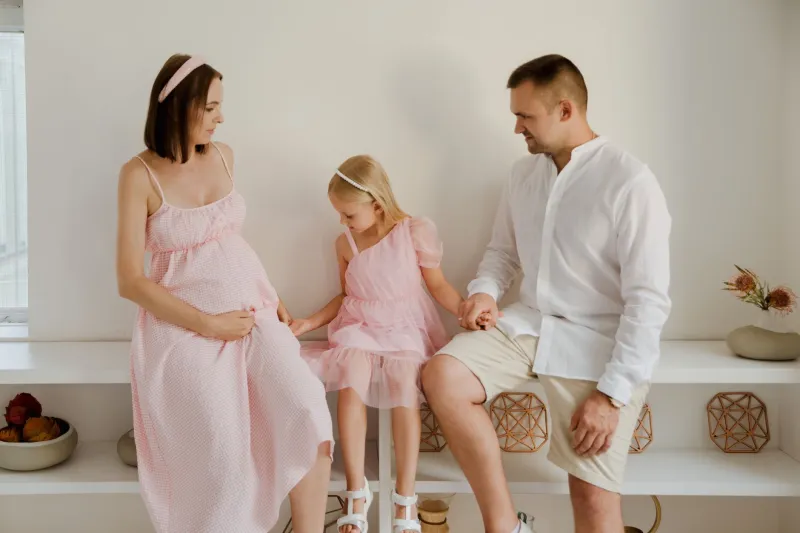
There is a particular kind of hope in a tiny pair of trainers by the scan-room door. Bringing an older sibling to a private baby scan can be a lovely family moment: a first proper look at the baby on the screen, a photo to put on the fridge, a story they can tell Grandma afterwards. It can also be a lot. Waiting rooms are boring, scan rooms are dim, and a three-year-old’s attention span is not famous for its patience.
The good news is that a little planning goes a long way. This is not about creating a perfect Instagram moment. It is about helping your older child feel part of the day without asking them to sit still, stay quiet and perform excitement on cue.
Start with the clinic, not the colouring book
Before you book, ask the clinic directly whether children are welcome. Private scan clinics vary. Some have roomy waiting areas and are happy for siblings to come along; others have small scan rooms and prefer children to stay with another adult in reception. Neither answer is wrong. It is simply useful to know before you turn up with a buggy, a snack bag and a hopeful five-year-old.
Good questions to ask include: Is there space for a child in the scan room? Can a partner or grandparent wait outside with them if needed? Are buggies allowed in the waiting area? How long is the appointment likely to take? If the clinic says children cannot come into the scan room, try not to take it personally. It is usually about space, privacy and keeping the appointment calm for everyone.
Choose a slot that suits your child, not just your diary
If you are bringing a toddler, the best appointment is often the one that lands after a nap and a snack, not the one that overlaps with nursery pick-up or the hungry hour before tea. For older children, consider whether they will cope better after school or on a quiet weekend morning. A relaxed child is worth a slightly less convenient time slot.
It is also worth thinking about the type of scan. A short reassurance scan or wellbeing scan may be easier for a child to sit through than a longer package with lots of measurements and add-ons. Ask the clinic how long the screen time is likely to be and whether there will be quiet pauses. If you are attending a scan where difficult news is a possibility, it may be kinder to arrange for your child to stay with a trusted adult. That is not excluding them; it is protecting them from a moment they do not need to carry.
Prepare in plain, honest language
The night before, explain what will happen in simple terms. You might say: ‘We are going to see some pictures of the baby on a screen. The person will put gel on my tummy. It does not hurt. You can sit with Daddy and watch, or you can read your book if you want to.’
Avoid promising that they will see the baby waving, kicking or doing anything in particular. Babies at scans are wonderfully unreliable. Use hopeful language instead: ‘We hope we get a good view.’ That way, if the baby is curled up or facing the wrong way, your child has not been set up for disappointment.
Let them pack a small bag of their own the night before. A favourite book, a couple of stickers, a small toy and a drink are usually plenty. Too many toys can become a sprawling distraction in a small room.
Build a small waiting-room survival kit
Waiting rooms are where good intentions go to wobble. Keep the kit simple: a snack that does not leave orange fingerprints, a water bottle, a sticker book, a small quiet toy and maybe headphones if your child finds busy places a lot. Arrive close to your appointment time rather than half an hour early. If you have a buggy, check whether the clinic has space for it.
It also helps to decide who is on child duty. If two adults are coming, one can focus on the scan and the other can focus on the sibling. If you are going alone, ask the clinic whether a member of staff can keep an eye on your child in reception, or bring another trusted adult if the clinic allows it.
And if your child is poorly, freshly upset or completely out of sorts, it is okay to reschedule. A private scan is not a once-in-a-lifetime event, and a calmer day will usually give you a better experience.
In the scan room, lower the bar beautifully
Once you are in the room, let your child sit where the sonographer suggests. Explain the gel in a matter-of-fact way. If they ask questions, answer them quietly. If they lose interest after ninety seconds and start asking for the snack bag, that is completely normal. You do not need to force them to stare at the screen.
It can help to give them a small job: holding the scan photo, pressing the button on your phone torch afterwards, or choosing which picture goes on the fridge. If they need to leave, let one adult step out with them. A swift exit is often kinder than a whispered negotiation that slowly escalates.
Ask the sonographer before taking photos or videos in the room. Many clinics are relaxed about a quick photo of the screen, but rules vary. Keep phones away unless you have been given the nod.
If your child is the one who needs reassurance
Some children are delighted. Some are deeply unimpressed. Some are excited before the appointment and then become clingy the moment the door closes. All of these reactions are normal. If your child becomes overwhelmed, try not to shame them or bribe them into staying. A simple ‘It is okay, this room is a bit dark and strange’ often helps more than a pep talk.
If they need to wait outside with another adult, let them. They can still be part of the day afterwards. The sibling relationship does not depend on them being in the room for the scan.
Afterwards, keep the door open
On the way home, let your child lead the conversation. They might want to tell you that the baby looked like a potato, or that the gel was cold, or that they are not sure they want a brother or sister after all. Let them say it. Give them the scan photo to hold, put a copy at their height on the fridge, or let them tell a grandparent about the appointment in their own words.
Use inclusive language where you can: ‘our family’s baby’ rather than only ‘Mummy’s baby’. If they ask big questions about the baby coming home, keep answers short and honest. You do not need to solve sibling dynamics in the car park.
Bringing an older sibling to a private baby scan can be a warm, funny, slightly chaotic family moment. It can also be too much on the day. Both are fine. The scan is there to give you reassurance and a little time with your baby on screen. Your older child can be part of that story in the waiting room, in the scan room, or later at home with a photo and a biscuit. There is no single right way to make them feel included.